SEANZ OVERVIEW
Learning Environments
A distinguishing characteristic of Steiner Waldorf schools is the attention given to creating a learning environment that combines function with beauty and nourishes the senses without overwhelming them. The outer environment is seen to have a formative influence on the child’s inner environment; the younger the child, the greater the impact will be and the greater the care the teacher will give to
considering the impressions he or she wishes to bring.
In the kindergartens the atmosphere is purposefully home-like and intimate, with devotion given to the detail of everything the children encounter in their daily exploration. Natural materials are used wherever possible, furniture and toys are often handcrafted and chosen to allow room for a realm of imaginative possibilities.
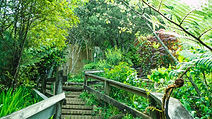
The grounds of both kindergarten and school are landscaped to enhance exploratory, imaginative and creative play and to nurture a connection with nature and its elements. Ideally they will incorporate fruit and vegetable gardens that give the possibility of experiencing the transformation of food from earth to plate and be tended using biodynamic/organic methods.
Buildings are designed or modified to incorporate organic architectural features. Conscious thought is
given to the aesthetics of interior design and decoration; to colour, form and materials.